

Play video
Video
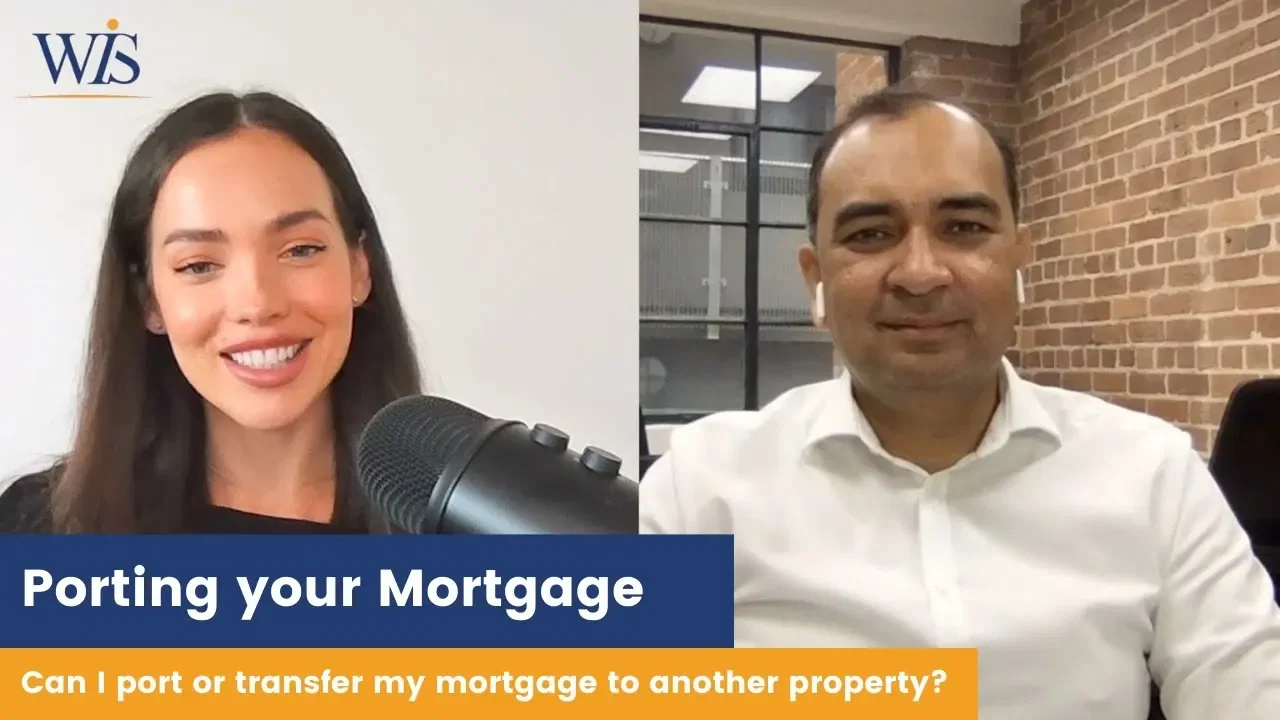
Porting Your Mortgage | How To | Explained By Mortgage Advisor
Moving home and want to keep your existing mortgage deal? explains how porting your mortgage works and whether it is the right option.
Video Breakdown
0:00 – introduction
1:04 – What is a mortgage port
2:31 – Why would you port
4:28 – Disadvantages
7:05 – Things to look out for
8:57 – Alternatives to porting
Video Transcript
Podcast Hosts:
Gemma – Host Ifthikhar (Ifthi) – Accountant, Mortgage Broker, and Founding Director at WIS
Speak to an advisor
Introduction
Gemma: Many people have heard about porting a mortgage, but are unsure what it means. In today’s episode, we explain everything about porting or transferring your mortgage to another property.
Q&A Discussion
Q1: What does porting a mortgage mean? Ifthi: Porting is moving your existing mortgage deal to a new property without breaking the deal. Example: Current property: £200,000 Mortgage: £100,000 New property: £300,000 You port your £100,000 mortgage and take a top-up mortgage of £100,000 for the difference. You don’t have to top-up if your new property value is similar. Porting keeps the existing mortgage deal (rate, term) intact.
Q2: Are we talking about the mortgage deal or the mortgage term? Ifthi: Porting refers to the deal itself, e.g., a fixed-rate deal of 2 or 5 years. You port the deal if you don’t want to break it before it ends. Most banks allow porting, but it depends on lender approval.
Q3: Why would someone port their mortgage? Ifthi: Avoid Early Repayment Charges (ERCs) Breaking a mortgage deal often incurs ERCs. Example: 5% ERC on a £500,000 loan = £25,000. Porting allows you to avoid these penalties. Keep a favorable interest rate Example: Lifetime tracker at 0.5% above the base rate. Porting lets you transfer this low rate to a new property, which may not be available on new deals.
Q4: What are the disadvantages of porting? Ifthi: Stuck with the same lender You may miss out on better deals from other lenders. Top-up mortgage complications If your current deal ends soon, your top-up may be on a different term or rate. May incur additional product fees for multiple products. Avoids ERC now, but doesn’t always avoid future penalties. Complexity with fixed-term mortgages Longer deals (e.g., 10 years) have higher ERCs. Porting may be the only viable option if you want to avoid huge penalties.
Q5: Does every mortgage have an ERC? Ifthi: Mostly associated with fixed-rate mortgages. Trackers may or may not have ERCs; some recent tracker deals include them. Always check the specific mortgage terms before assuming no ERC applies.
Q6: What should you look out for when porting a mortgage? Ifthi: Each lender handles porting differently. ERC handling varies: Some lenders waive ERCs, others require upfront payment and then refund. Ensure you have the funds available, as surprises can occur. Speak to an advisor to avoid problems.
Q7: Are there alternatives to porting? Ifthi: Planning ahead is crucial. Speak to a mortgage advisor or bank about future moves. Options include: Tracker mortgages that allow leaving without ERCs. Shorter-term deals if changes are expected in the near future. Consider your job, family, and school requirements when selecting a mortgage.
Q8: Do longer-term deals affect porting? Ifthi: Longer fixed-term deals (e.g., 10 years) come with higher ERCs. Porting may be the only option to avoid large penalties. Planning with an advisor is essential to understand implications for your situation.
Q9: How do I know how much the ERC would be? Ifthi: Mortgage advisors provide a Key Facts Illustration (KFI) that includes: ERC details Porting options For full details, speak directly with a mortgage advisor.
Closing Remarks
Gemma: Points may not apply to everyone; consult an advisor if unsure. WIS is available to provide advice and assistance on porting mortgages. Reminder: Mortgages are secured against your home or property and may be repossessed if repayments are missed.
 UK Budget 2026 Changes for First-Time Buyers | New Mortgage Schemes & Deposit Options Explained
 Mortgage Affordability & Overpayments Explained (UK 2026 Guide for First-Time Buyers & Homeowners)
 Can Foreign Nationals Get a UK Mortgage? Deposit Rules, Visas & Credit Tips Explained
 Holiday Lets Explained | How To Save Tax !
 Contractor mortgages- Day rate / Contract workers/ Umbrella company mortgages explained
 Expat Mortgages Explained | How To Get A Mortgage As An Expat
 Islamic Mortgages Home Purchase Plan Explained | No Interest Or Early Repayment Charges?
 Rent To Rent Explained | I Wish I’d Known This Before… Scam alert
Want to see real lender options?
Answer a few quick questions without leaving this page.
Talk it through with an advisor
Your home may be repossessed if you do not keep up repayments on your mortgage.